 Reno
Reno 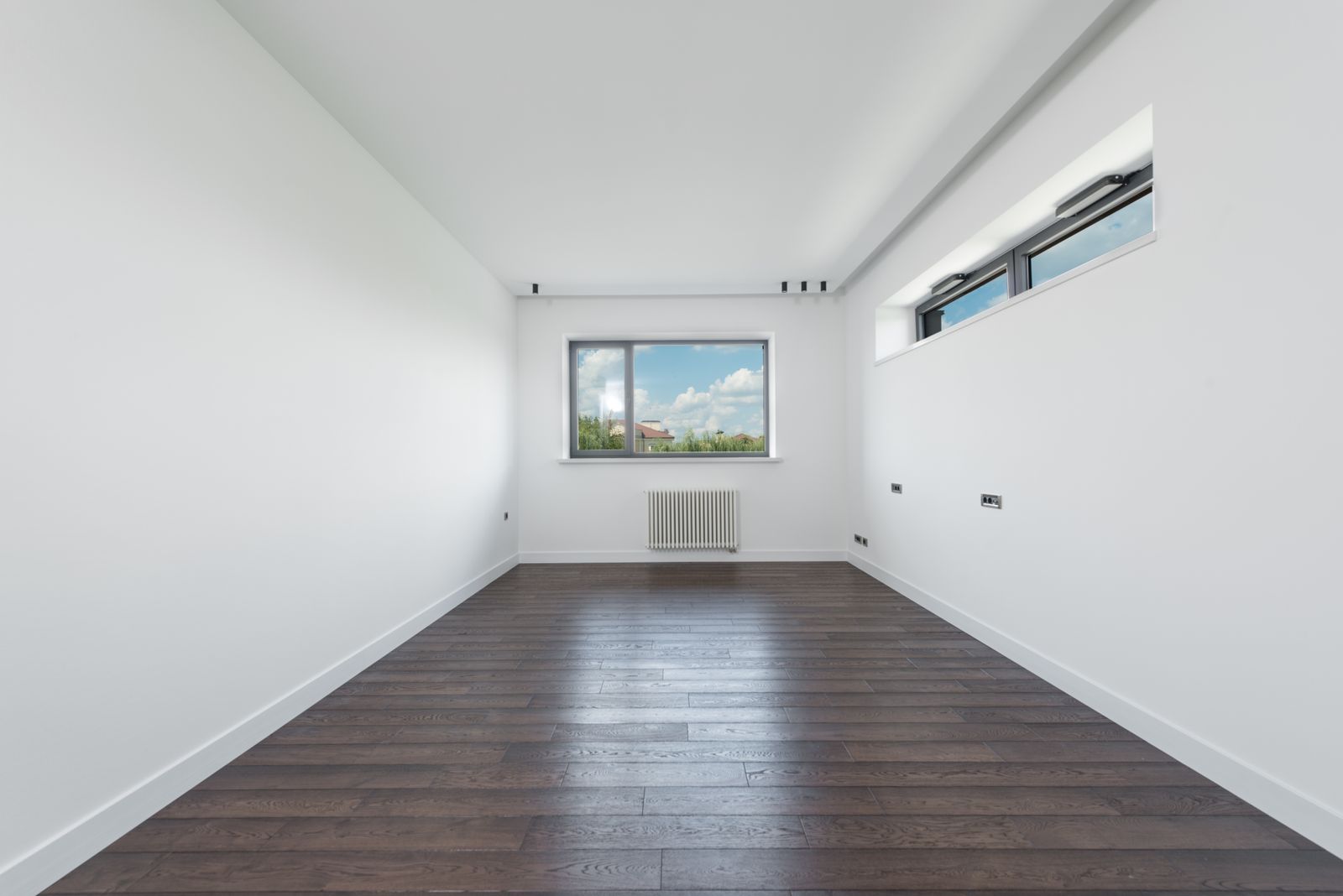
Empty rooms are the hardest listings to sell. Buyers cannot judge scale, cannot tell a guest room from an office, and - most importantly - cannot picture themselves living there. Staging fixes that, and the National Association of REALTORS® has measured exactly how much it matters. The good news: you no longer need furniture trucks to get the effect.
What Buyers' Agents See Happening
NAR's Profile of Home Staging surveyed the agents who watch buyers react to homes every day. The headline finding: 83% of buyers' agents said staging a home made it easier for a buyer to visualize the property as a future home. Sixty percent said staging had an effect on at least some buyers' view of the home, and 26% said it affected most buyers.
Source: National Association of REALTORS®, Profile of Home Staging
Yet here is the gap: only 21% of sellers' agents said they staged all of their sellers' homes before listing. Most listings still hit the market with empty or poorly furnished rooms - which means a staged presentation is still a genuine differentiator, not table stakes.
The Rooms That Matter Most
The same NAR report found the most commonly staged rooms are the living room (91%), the primary bedroom (83%), and the dining room (69%) - the rooms where buyers decide whether the home fits their life. If a budget covers only a few virtually staged photos, those are the rooms to prioritize.
Why an Empty Room Underperforms
The psychology is straightforward, and it works against vacant listings in three ways:
- Buyers can't measure with their eyes. Without furniture for scale, rooms read smaller than they are. A queen bed in the frame answers “will my bed fit?” instantly - an empty floor does not.
- Visualization precedes offers. The NAR data above is really about mental ownership: a buyer who can picture their furniture, their routines, and their life in a space has already started to feel at home in it. That emotional step is what turns a viewing into an offer, and empty rooms make buyers do that work unaided.
- Vacancy invites questions. Fair or not, an empty house in a search grid quietly prompts “why did they leave - and how long has this been sitting?” Staging removes the question entirely.
Physical vs. Virtual: The Cost Math
Traditional staging means furniture rental, delivery, setup, and a monthly bill that grows with every week on market - typically thousands of dollars for a whole home. Virtual staging produces photo-realistic furnished images digitally, typically for $30-$100 per finished photo, delivered in days. For a vacant listing, staging the three highest-impact rooms virtually usually costs less than the first month of physical furniture rental for a single room.
One Rule That Protects You
Virtually staged photos should be disclosed as such in the listing. MLSs covering Northern Nevada expect it, and it protects you and your seller from any claim that buyers were misled. Photographers in our network deliver staged images clearly labeled for MLS compliance - the goal is to help buyers visualize honestly, not to fool anyone.
Have a vacant listing in the Reno-Tahoe area? Request a free quote and mention virtual staging - we will match you with a vetted local photographer, usually with pricing within one business day.